 D
D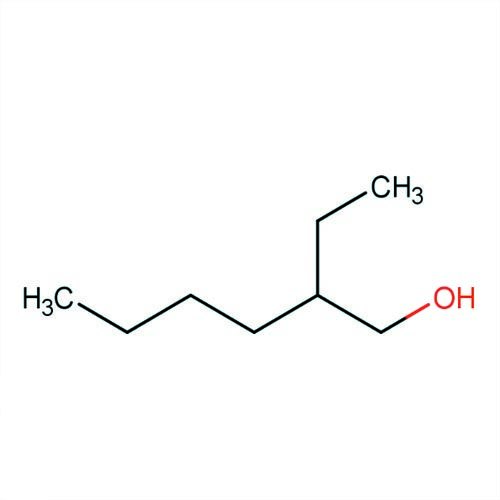
Product Introduction
[Product Name] Octanol [Appearance] Colorless transparent oily liquid with irritating odor【Molecular Formula 】 CH3CH2CH2CH2CH (C2H5) CH2OH
【 Molecular Weight 】 130.22
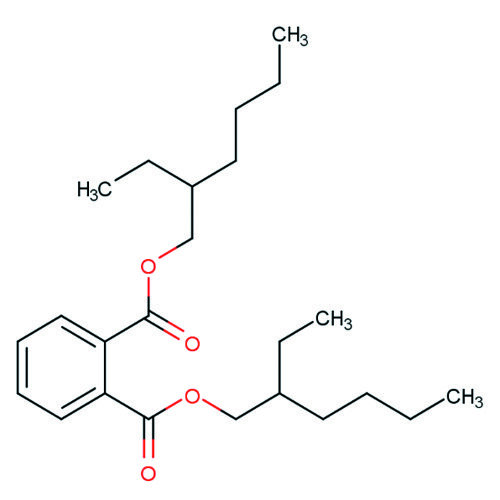
[Performance] A colorless flammable liquid with a special odor. Dissolved in about 720 times water and miscible with most organic solvents. Relative density 0.834 (20/20 ℃). Boiling point 184 ℃. Melting point -70 ℃. Flash point 81.1 ℃.【 Main Applications 】 Mainly used for the production of phthalate esters and aliphatic diester plasticizers such as dioctyl phthalate, dioctyl azelaic acid, and dioctyl sebacic acid. They are respectively used as the main plasticizer and cold resistant auxiliary plasticizer for plastics, defoamer, dispersant, mineral processing agent, and petroleum filler. They are also used in printing and dyeing, painting, film, and other fields.
According to the regulations for flammable materials, store and transport at low temperatures to prevent exposure to sunlight.
First aid measures
Skin contact: Remove contaminated clothing and rinse with plenty of water.
Eye contact: Lift the eyes and face, rinse with flowing water or saline solution. Seek medical attention.
Inhalation: Remove from the scene to a place with fresh air. If breathing is difficult, administer oxygen. seek medical treatmentIngestion: Drink plenty of warm water and induce vomiting. Seek medical attention. Dry powder, carbon dioxide, sand.
Firefighters must wear gas masks and full body firefighting suits, and extinguish fires in the upwind direction. Spray water to keep the fire container cool until the fire is extinguished. Eye protection: Wear chemical safety goggles.
[Emergency Response] Quickly evacuate personnel from the contaminated area to a safe zone (evacuate to a higher location), isolate them, and strictly restrict their entry and exit. It is recommended that emergency personnel wear self-contained positive pressure respirators and acid and alkali resistant work clothes. Do not come into direct contact with the leaked material. Cut off the leakage source as much as possible. Do not come into direct contact with the leaked material. Cut off the leakage source as much as possible. [Protective Measures]Respiratory protection: When there is a possibility of exposure to its vapors, it is necessary to wear a self-priming filter type gas mask (full face mask) or a self-priming long tube mask. Wear an air respirator during emergency rescue or evacuation.
Eye protection: Wear protective goggles (goggles, face shields, and safety goggles).
Skin and body protection: Wear anti-static work clothes.